
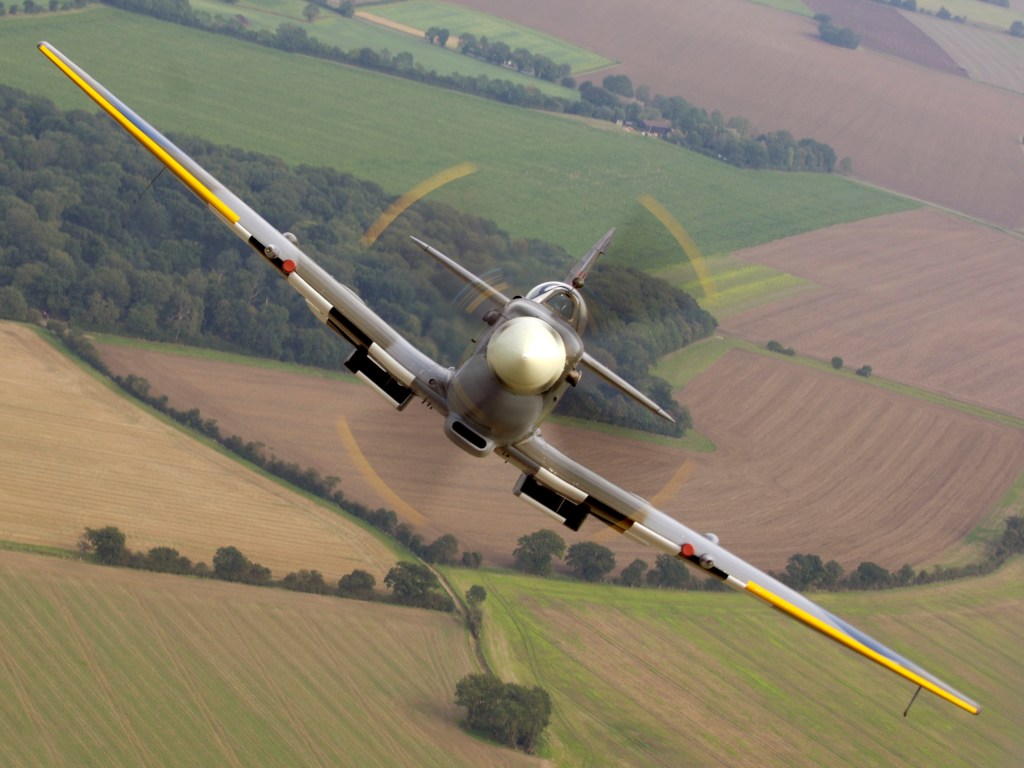
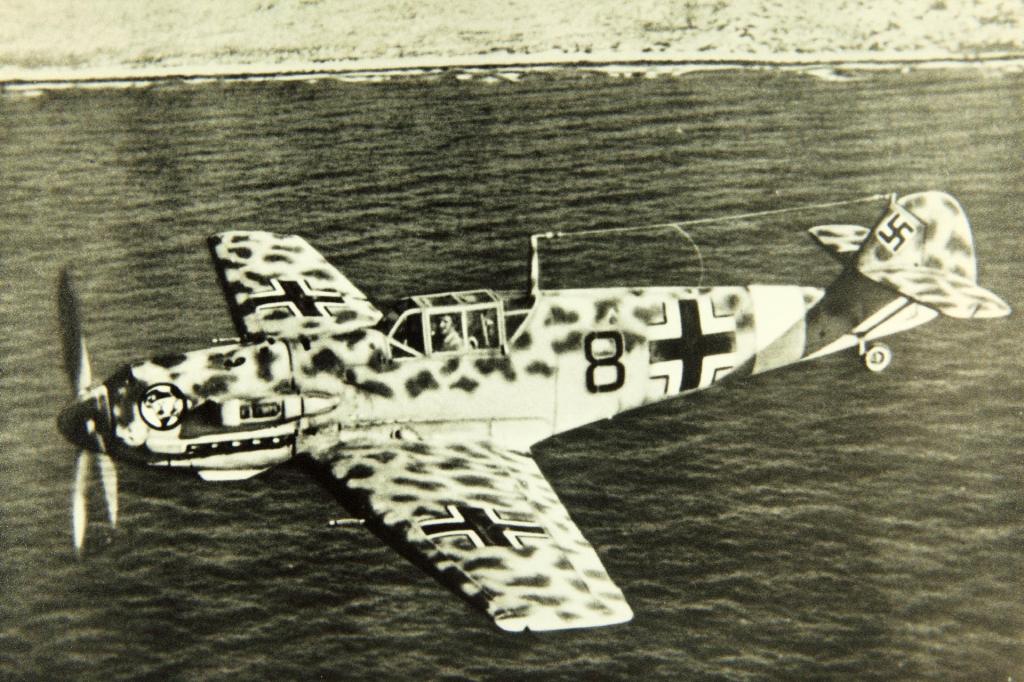
The Supermarine Spitfire is certainly one the most iconic fighters of World War II, and one of my personal favorites. Powered by the Rolls Royce Merlin engine it was a formidable fighter that helped defend the English skies during the Battle of Britain. During the Battle of Britain the Spitfire had something in its gas tank that the German BF-109 was denied. 100/130-octane avgas made the Spitfire a capable adversary to the infamous 109. The high octane gasoline allowed for more horsepower and 25-34mph increase in speed which in a dogfight could make all the difference.

Prior to the war thanks in part to the advocacy of Jimmy Doolittle, famous for the Doolittle raid on Japan shortly after the attack on Pearl Harbor, the Spitfire was running on high octane “leaded” gasoline. Doolittle encouraged both Shell Oil and the US government to increase production of the expensive fuel.1 The availability and adoption of the higher octane gasoline allowed for higher compression and better performance in the engines that powered Allied aircraft.
The octane level or rating is a measure of the fuel’s resistance to premature detonation or knocking of the engine. The higher the rating the more compression of the fuel and air that can be achieved, which results in more horsepower.2 Germany relied on synthetic fuel production using the Bergius process to produce gasoline from coal.3 Which was domestically available in Germany. The octane ratings achieved while higher than what is typically available at the pump today still didn’t allow for the same compression ratios achievable by the supercharged Merlin engine.
The access to superior fuel allowed for modification and upgrades to the Merlin engine over the course of the war. The horsepower output of the engine went from ~900 hp to over 2,000 hp. Engineers and designers were able to add boost or superchargers to the engine allowing for greater efficiency and more power. The German BF-109’s Daimler Benz 605-A engine relied on a fuel injection system that allowed for the use of lower octane gas while still producing ~1,400 hp. However, without high octane fuel the German engines didn’t have the luxury of upgrading and supercharging their aircraft engines in the same way the Allies were. The Nazis instead relied on so called Wunderwaffe “Wonder Weapons” to try and fail to turn the tide. If Germany had focused more on the some the details that win wars perhaps the outcome of World War II would be different, thankfully for the world that was not case.
 History Buff Chronicle
Leave a comment